
A Reader’s Guide to the Four Cycles of Irish Mythology
Irish mythology is huge, but it is organized. Four cycles, in the right reading order, with the single best edition to pick up first for each one.
Irish mythology is huge, but it is organized. Four cycles, in the right reading order, with the single best edition to pick up first for each one.
You did not invent the images you dream in. Why a publisher restoring old texts and dying languages built a dream dictionary, and what dreams are actually a window into.
We publish in endangered languages so the myths and folklore carried in them survive in the tongue that made them. The evidence, the two Celtic languages that came back from extinction, and the standard we hold our references to.
Seven new pages of Manx: the alphabet, greetings, numbers, days, family and colours. Every word traced to Cregeen 1835 or Kelly 1866, and every pronunciation to a named source.
Manx and Irish are not the same language, and neither is a dialect of the other. They are sisters. Here is what they share and what sets them apart.
Gyn chengey, gyn cheer: without a language, without a country. How Manx nearly died, and what the Isle of Man almost lost with it.
In 1974 the last native speaker of Manx died and the experts called the language extinct. The children of the Isle of Man had other ideas.
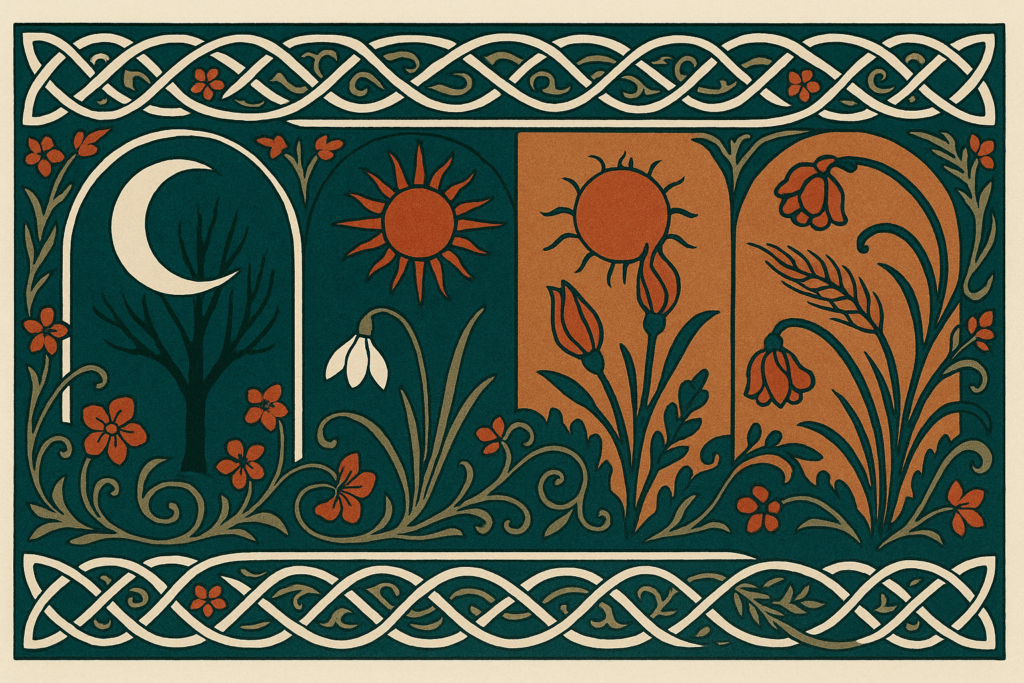
Four festivals. Four pivot points in the Irish year. What each festival actually meant and why the etymology matters.
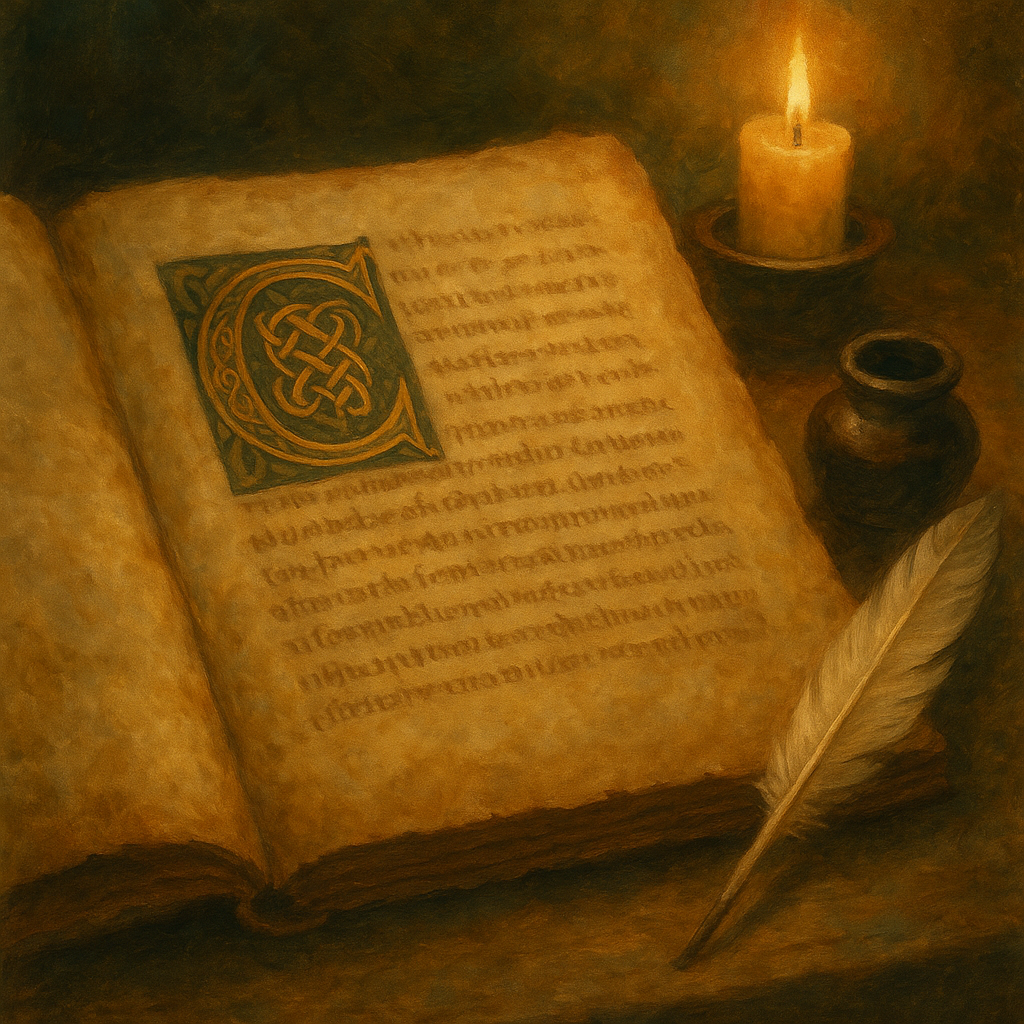
Irish mythology survives because of four handwritten books. What each contains, where it survives, and what would be lost if the scriptorium had burned the wrong night.
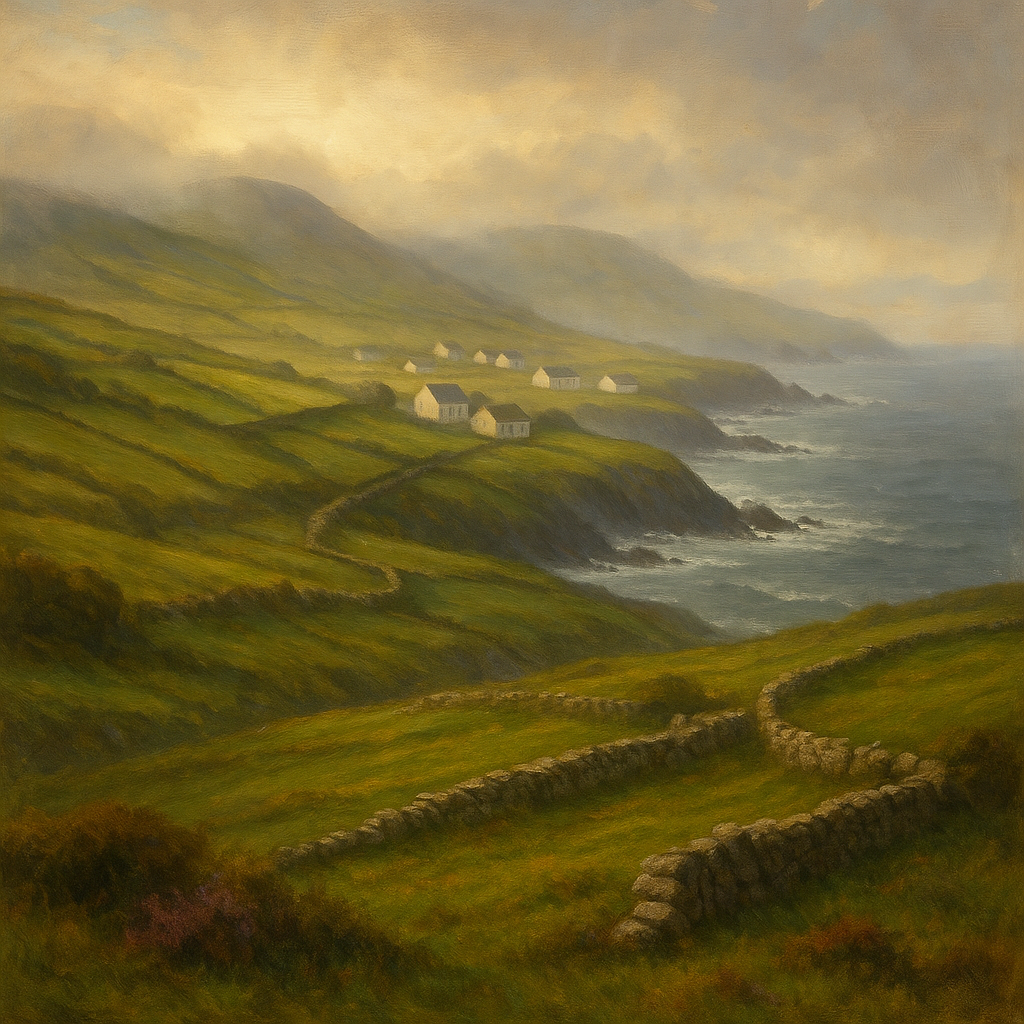
Irish is endangered on paper. In practice there are more children being raised in it now than at any point in the last century. Here is where the language is actually being lived.